Dietary Inflammation Is Impacting You Pain and Strength

Dietary inflammation is going to strongly impact your body. Pain and strength are directly impacted by the inflammation, but you can reverse the effects.

If you’ve studied up on different diets, you may have come across anti-inflammatory diets. The main premise is that there are foods your body will react to and cause inflammation. Because of the histamines associated with the inflammation, you get tightness in the abdomen.

So what does that tightness mean? You can expect bloating, impaired digestion, back pain, poor strength, and decreased trunk motion. The tightness is causing your muscles not to work and the pressure from the tightness and bloating causes pain.

Reversing the problem requires to steps:

  1. Remove the offending food
  2. Restore the movement

1. Removing the problem food could be as simple as reducing high levels of sugar, or as complicated as eliminating gluten. Every person is different.

The most common foods that cause inflammation are:

  • Sugar
  • Wheat/Gluten
  • Milk
  • Soy
  • Rice
  • Corn
  • Peanuts

While not a comprehensive list, these are a good starting point. If you are wondering if you have any of these issues, find a qualified dietician to talk to about the best strategy to identify and eliminate these foods. Making sure you’re still getting the right nutrients while avoiding the problem foods is important.

2. Next is restoring the motion. This is where Manual therapy shines. Using fascial release techniques it can restore your movement and get rid of the tightness.

Your symptoms change immediately as you feel the movement increase. Then you keep doing your home exercises and you can keep your motion.

Once you have motion, then you need to restore your body’s proper motion. Research is showing that just because you heal doesn’t mean your muscles go back to working right. Physical therapists trained to identify and restore proper muscle function can help enhance that function quickly and efficiently.

Check out our courses which can help you learn how you can get moving or help others get moving to improve health or contact us with questions.
The Magic of the Tailbone, And Why You May Want To Have It Addressed

Have you hit your tailbone so hard it hurt to sit for a few weeks? There’s a good chance your tailbone, AKA your coccyx, needs treatment. But that’s not the entire reason for this article. Have you ever had shoulder or arm pain and you’re not sure why? Do you have pain that gets worse when you sit? Is there tightness from your shoulder blade to your neck? Is there some mid back ache that feels strained when you’re in certain postures? Chances are there’s a problem with your tailbone. Read through this article to see if you may want to look into getting your tailbone checked.

It was a very eye opening day when I learned about how treating the tailbone can affect the entire body. I went to a course hosted by the Institute of Physical Art (IPA) and the first thing we treated was the tailbone. I was amazed by how I felt. My chronic shoulder and arm pain were gone. I could even sit and stand straighter. And if you’re wondering, it never came back.

There was no direct research to justify this change. My upper body pain improved after treatment to the tailbone. In the past, I had standard exercise based physical therapy treatment on my shoulder, but it didn’t help. None of the stretches or strengthening exercises provided relief. If anything they just aggravated the symptoms. Addressing the tailbone didn’t just help, it fixed the problem.

Once I experienced the change I had to know why? To shed some light on the inner workings, let’s talk about the body’s connections to the tailbone. Did you know that your spinal cord attaches to the tailbone? Can you imagine what would happen if you pulled on your spinal cord? And then there’s the way all the tissues of the body interact with the tailbone like it’s a rudder. Visualizing this gives you a glimpse of how the tailbone can directly affect strength, movement, and pain.

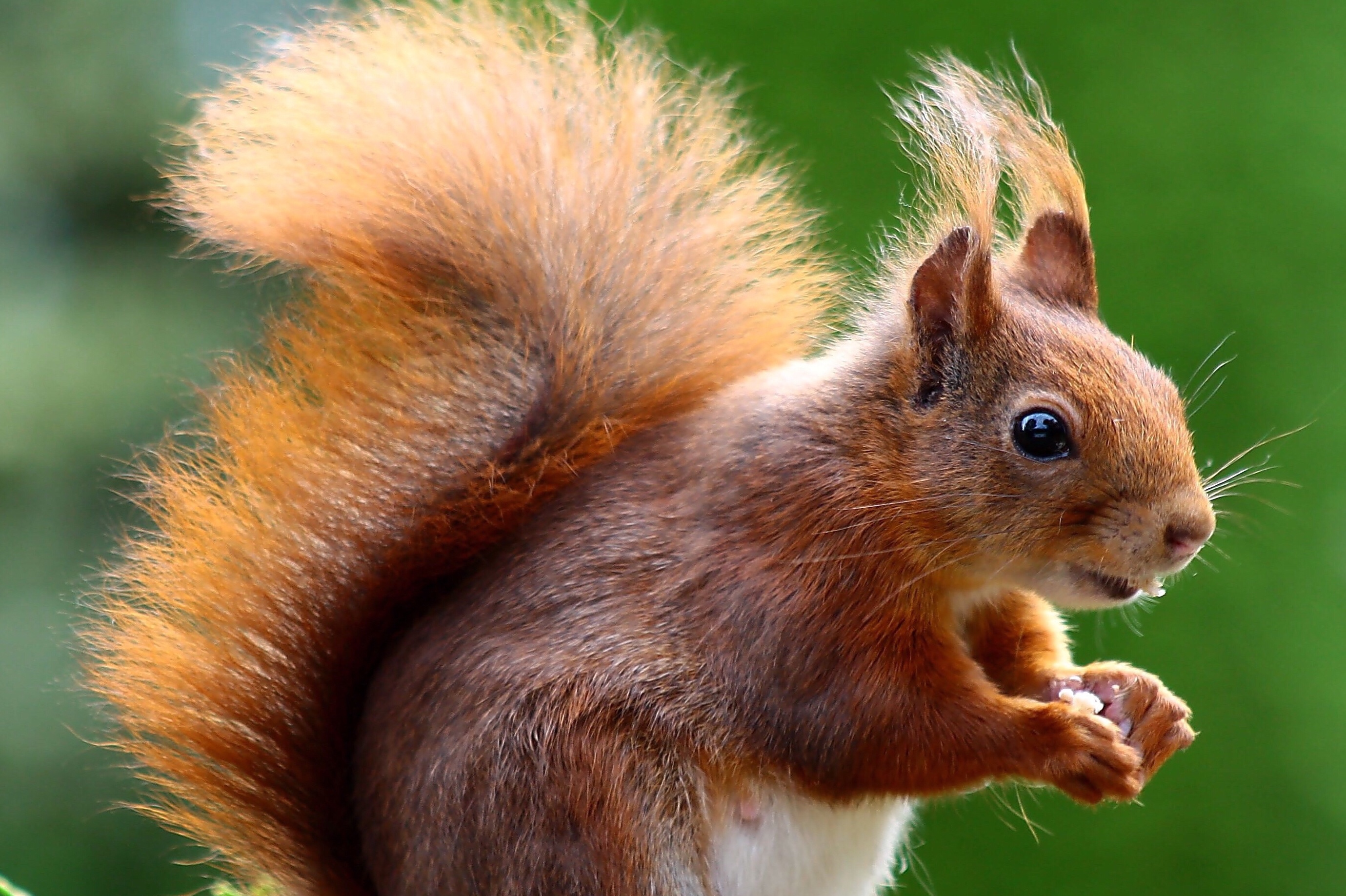
I’m going to use a squirrel as an extreme example to demonstrate this point. While we don’t use our “tail” quite like a squirrel, the tailbone does help steer our bodies. Have you ever watched a squirrel’s tail while it runs along a branch. It moves in sync with their body to help them balance and move. Similarly, as you turn your tailbone should shift slightly to one side. It obviously doesn’t move as much as a squirrel (and it doesn’t, or shouldn’t, stick out), but it will still affect your motion. If it gets stuck in one position, then you’re muscles don’t work quite right.

If this is you, then your rudder is stuck. The implications here are big. If your tailbone is locked you could find yourself with:

  • Muscle tightness
  • Pain (back, shoulder, hip, knee, etc)
  • Decreased motion
  • Poor posture
  • Localized muscle fatigue
  • Balance difficulties
  • And more

Many people have been through types of treatment for pain like medication (Motrin, muscle relaxers, and opioids), exercise based physical therapy, and other alternative medicine practices such as massage and chiropractics. For people with tailbone problems, these have led only to find temporary relief. While all of these strategies have value and can help certain issues, if you have not had your tailbone evaluated there’s a chance for long term relief.

I’ve had people who plateau in progress, and then see huge gains after treating their tailbone. It’s very common to immediately get more pain free movement and less muscles tightness. It also helps your other exercises to be more effective.

What I can promise is that no matter what, you will have some form of improvement if it needs treatment. Everyone who I have ever treated has had measurable change.

Treating the tailbone is a foundational part of treatment that can improve how your body moves and functions. Don’t overlook this tiny, but critical, bone. Interested in learning more about how this works, check out our courses or contact us with questions.

The Power of the Rhomboid

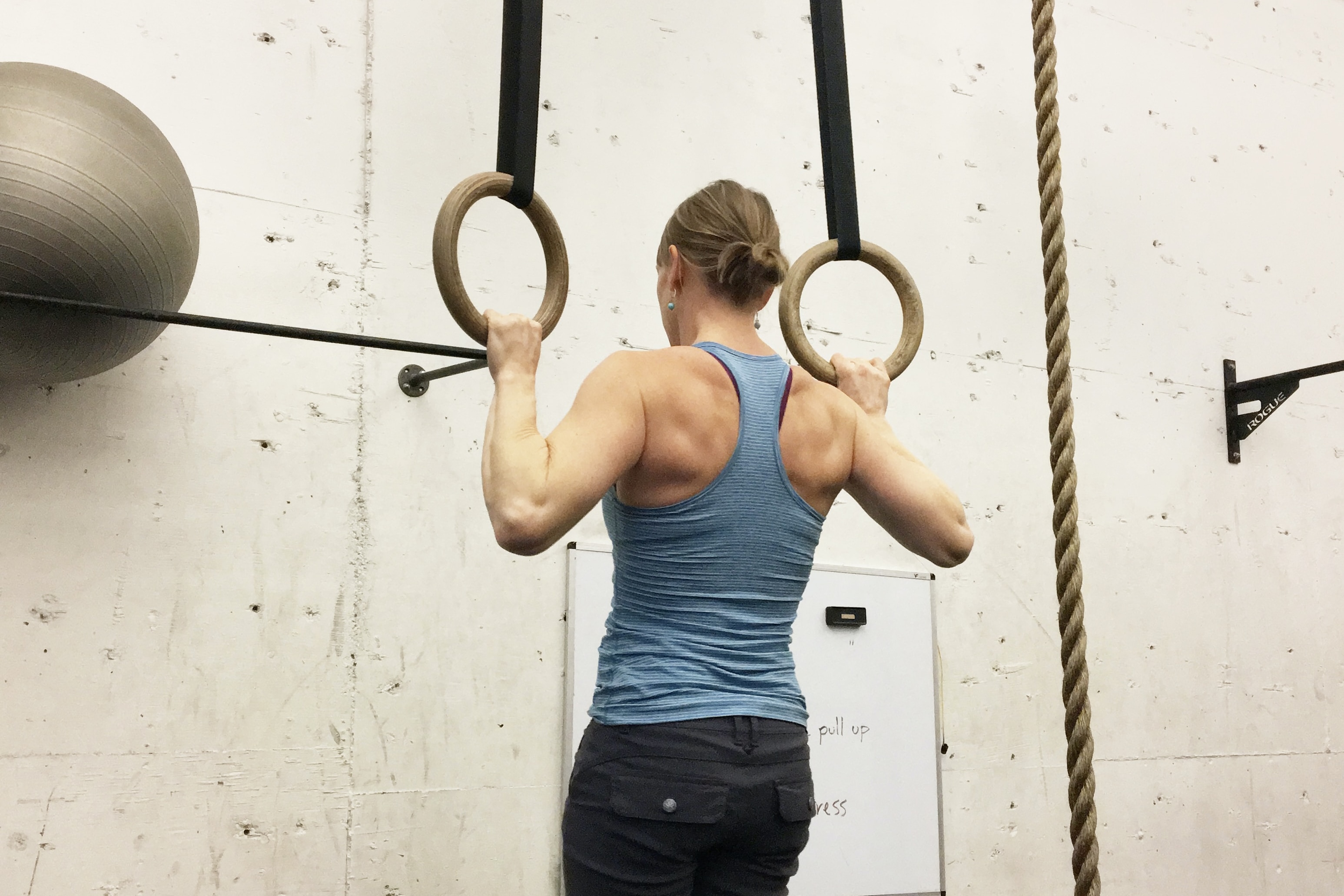
While the rhomboid is not the biggest muscle in the body it plays a huge role in how the body stabilizes when using your arms. The tricky thing is that people with pain don’t use it very well.

So why is that? It’s not for lack of trying. Most of the time it is inhibition, or the body not using it because of poor or mixed signals.

Let’s start with poor signals. Typically this is from lack of use. Whether you just learned to shortcut from bad advice or because of an injury your aren’t using it anymore. Regardless of how you lost it, the brain stops maintaining those connections and now it’s less active and weak.

One of the reasons injury can change the signal is through additional input into the proprioceptive system. What that means is that the injury will cause changes to the connective tissue or fascial system. Tightness in the area you had an injury is a protective mechanism and proprioception is based on the stretch of the tissues.

As an example, if you are in a car accident and the seat belt pulls across your chest you now have tightness along that seat belt. That tightness causes the pec muscles to tighten. Then your shoulder is pulled forward and reciprocal inhibition causes you rhomboid to turn off and now your losing function.

So next time you see problems with the rhomboids check the anterior shoulder region and you’ll find a plethora of dysfunctions that will change how the rhomboid fires. Don’t forget the subclavius, subscapularis, serratus anterior, along with everything in between.

Now that the rhomboid can fire without issue, the scapula can stabilize which will facilitate core stabilization and you’ll see massive strength gains. These gains are likely to stay if you’ve addressed the driving issue.

If you’re interested in incorporating this information into your practice check out our courses or contact us to find out more.or p