Pain can be debilitating at times so it’s important to know how to manage it well. Ibuprofen might sound like a good idea, but too much over time can really take a toll on the body. So here are 3 natural remedies that can significantly decrease pain and inflammation.
1. Ice/Heat
There’s no denying the power of cryogenic or thermal elements. There are a couple factors that influence your choice for which modality you should choose.
The first is preference. If you feel like one over the other then go for it. They both have analgesic effects. The mechanism by which each works might be different, but either way, pain is down. The only suggestion I have is don’t use heat where the skin already feels really warm.
The second is determined by the problem. If you have swelling and inflammation then ice tends to be better because it tends to handle inflammation better and you don’t want to “add heat to the flame”. If you’re looking for help loosening up tight muscles then heat tends to do better.
The effects of each are fairly simple. Cold causes vasoconstriction, or decreases blood flow, and helps regulate hot temperatures from swelling. It also shows down the inflammatory cascade. These factors help to regulate the pain and improve healing by decreasing pressure.
Heat, on the other hand, causes vasodilation which increases blood flow. That will help you clear out the waste product from all the healing going on and get in more of the healing factors. As long as there isn’t too much inflammation this goes a long way.
I am aware of a movement that suggests ice is bad because if how it impacts inflammation and thus decreasing the level of healing factors. While I understand the premise, I’m going to have to disagree until someone provides some better evidence. If there is too much inflammation or pressure, getting that to decrease would be more beneficial than adding heat or leaving it alone. It’s more of when you use it, not a firm good it bad.
2. Tart cherry juice
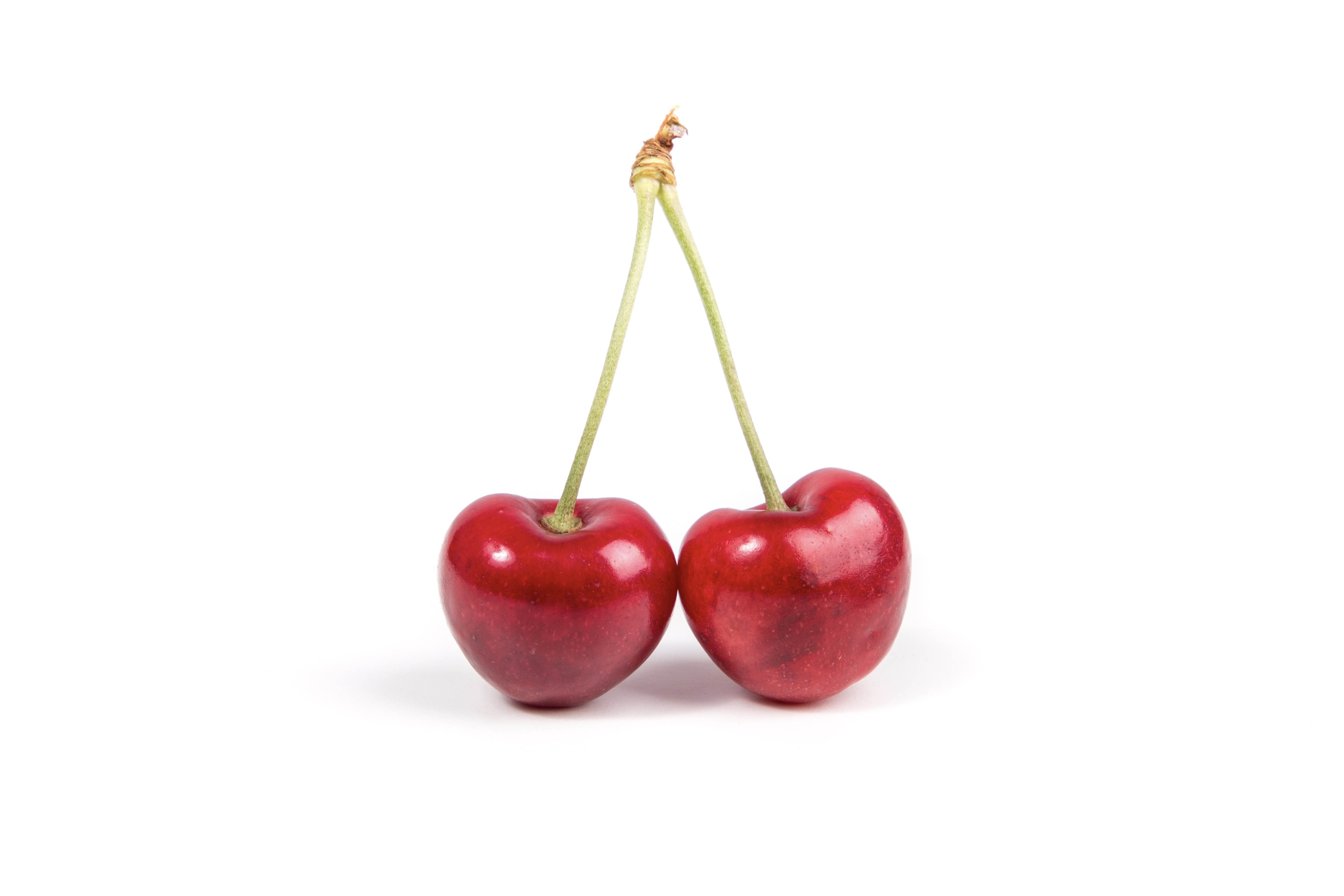
Tart cherry juice (or cherry juice concentrate) has been shown to have the exact same effect on chronic inflammation as over-the-counter doses of ibuprofen. That’s 2 TBSP per night (it also has melatonin) will cause a 25% decrease in inflammation.
It helps to regulate the inflammatory cycle. The anthocyanins found in the cherry juice impact the inflammatory signaling pathway. Running interference on this pathway will help to decrease the swelling which is how you’ll get your pain down.
I’ve seen a lot of different types of concentrated cherry juice. They have it in liquid and tablet form. I don’t know of any indications regarding which one is better, but there are some big differences within the liquid form depending on brand. Im a big fan of the Solaray brand because their juice is only 49 Cal per serving. The trouble comes when you do something like the Nature Valley brand which is 200 Cal per serving. That’s a lot of sugar and is only going to add to the inflammation.
3. Posture
The third category is posture. This is arguably the most important because it alone can impact healing and reduce stress on tissues.
Sitting or laying down in proper posture should alleviate most pain. In fact a few minutes in good posture will make it so you feel better when you get up. If you get up from either position and you’re not feeling better and more limber, then you’re likely in the wrong position. Sometimes a position feels good until you try to get up. That’s how you know it wasn’t great.
Being in a supported position takes the strain of the tissues which improves blood flow. Just think of the difference between beef jerky and steak. One is mostly dry and the other has lots of juices. If you have stretch on any tissue it limits blood flow and it will get sore. If you can achieve a neutral position without contacting a muscle then blood flow will be optimal thus maximizing healing.
Neutral positions also enhance muscle relaxation which is why positioning becomes important for body work. If you’re a manual therapist then you need to know how to position your clients/patients to active optimal results.
Healing is past of the journey. Making sure you know how to maximize healing can significantly reduce the time needed to fully recover. If you’re curious to learn more about his we implement these strategies into treatment, check out our courses or contact us with questions.