
Have you hit your tailbone so hard it hurt to sit for a few weeks? There’s a good chance your tailbone, AKA your coccyx, needs treatment. But that’s not the entire reason for this article. Have you ever had shoulder or arm pain and you’re not sure why? Do you have pain that gets worse when you sit? Is there tightness from your shoulder blade to your neck? Is there some mid back ache that feels strained when you’re in certain postures? Chances are there’s a problem with your tailbone. Read through this article to see if you may want to look into getting your tailbone checked.
It was a very eye opening day when I learned about how treating the tailbone can affect the entire body. I went to a course hosted by the Institute of Physical Art (IPA) and the first thing we treated was the tailbone. I was amazed by how I felt. My chronic shoulder and arm pain were gone. I could even sit and stand straighter. And if you’re wondering, it never came back.
There was no direct research to justify this change. My upper body pain improved after treatment to the tailbone. In the past, I had standard exercise based physical therapy treatment on my shoulder, but it didn’t help. None of the stretches or strengthening exercises provided relief. If anything they just aggravated the symptoms. Addressing the tailbone didn’t just help, it fixed the problem.
Once I experienced the change I had to know why? To shed some light on the inner workings, let’s talk about the body’s connections to the tailbone. Did you know that your spinal cord attaches to the tailbone? Can you imagine what would happen if you pulled on your spinal cord? And then there’s the way all the tissues of the body interact with the tailbone like it’s a rudder. Visualizing this gives you a glimpse of how the tailbone can directly affect strength, movement, and pain.
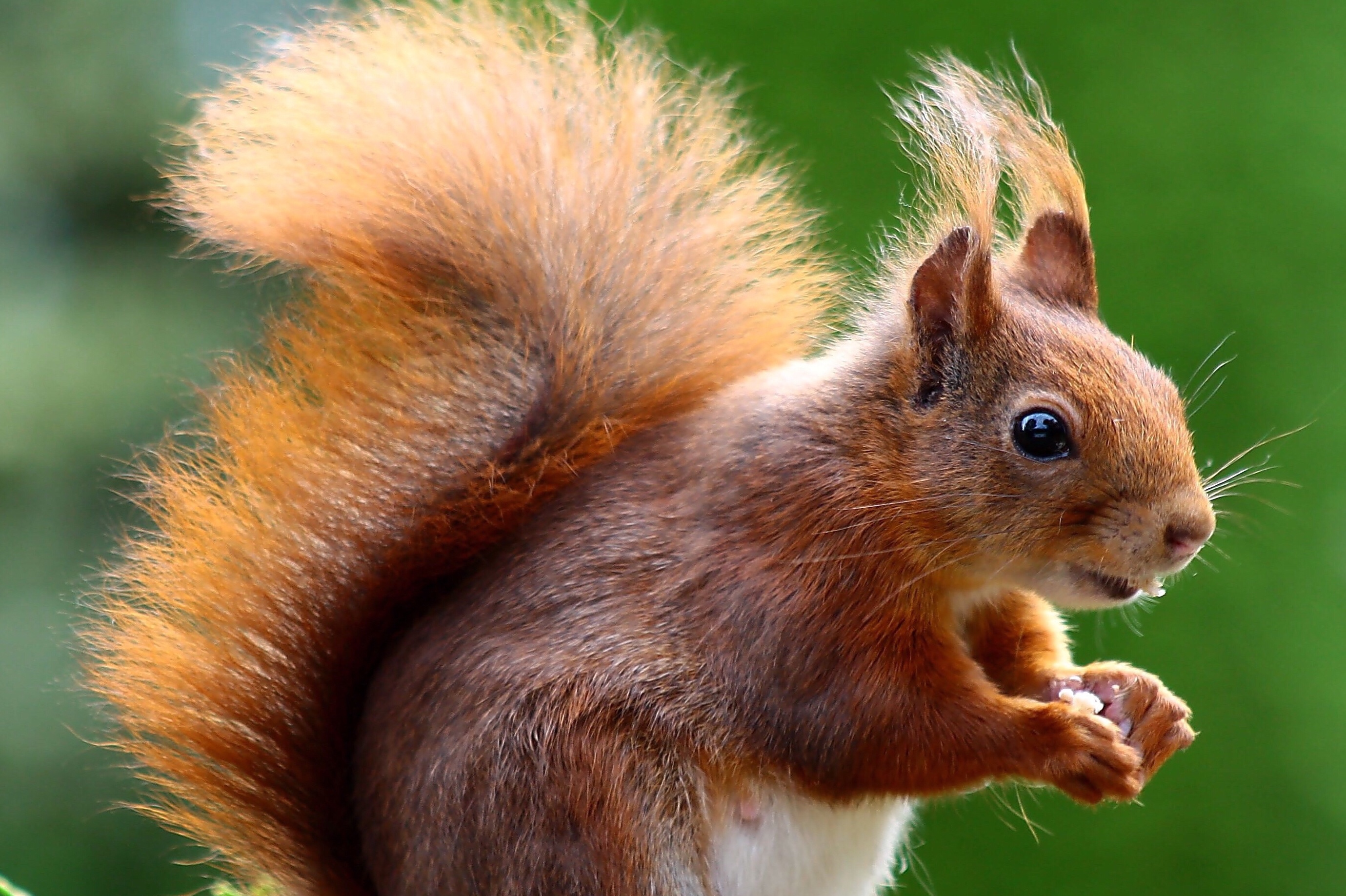
I’m going to use a squirrel as an extreme example to demonstrate this point. While we don’t use our “tail” quite like a squirrel, the tailbone does help steer our bodies. Have you ever watched a squirrel’s tail while it runs along a branch. It moves in sync with their body to help them balance and move. Similarly, as you turn your tailbone should shift slightly to one side. It obviously doesn’t move as much as a squirrel (and it doesn’t, or shouldn’t, stick out), but it will still affect your motion. If it gets stuck in one position, then you’re muscles don’t work quite right.
If this is you, then your rudder is stuck. The implications here are big. If your tailbone is locked you could find yourself with:
- Muscle tightness
- Pain (back, shoulder, hip, knee, etc)
- Decreased motion
- Poor posture
- Localized muscle fatigue
- Balance difficulties
- And more
Many people have been through types of treatment for pain like medication (Motrin, muscle relaxers, and opioids), exercise based physical therapy, and other alternative medicine practices such as massage and chiropractics. For people with tailbone problems, these have led only to find temporary relief. While all of these strategies have value and can help certain issues, if you have not had your tailbone evaluated there’s a chance for long term relief.
I’ve had people who plateau in progress, and then see huge gains after treating their tailbone. It’s very common to immediately get more pain free movement and less muscles tightness. It also helps your other exercises to be more effective.
What I can promise is that no matter what, you will have some form of improvement if it needs treatment. Everyone who I have ever treated has had measurable change.
Treating the tailbone is a foundational part of treatment that can improve how your body moves and functions. Don’t overlook this tiny, but critical, bone. Interested in learning more about how this works, check out our courses or contact us with questions.