
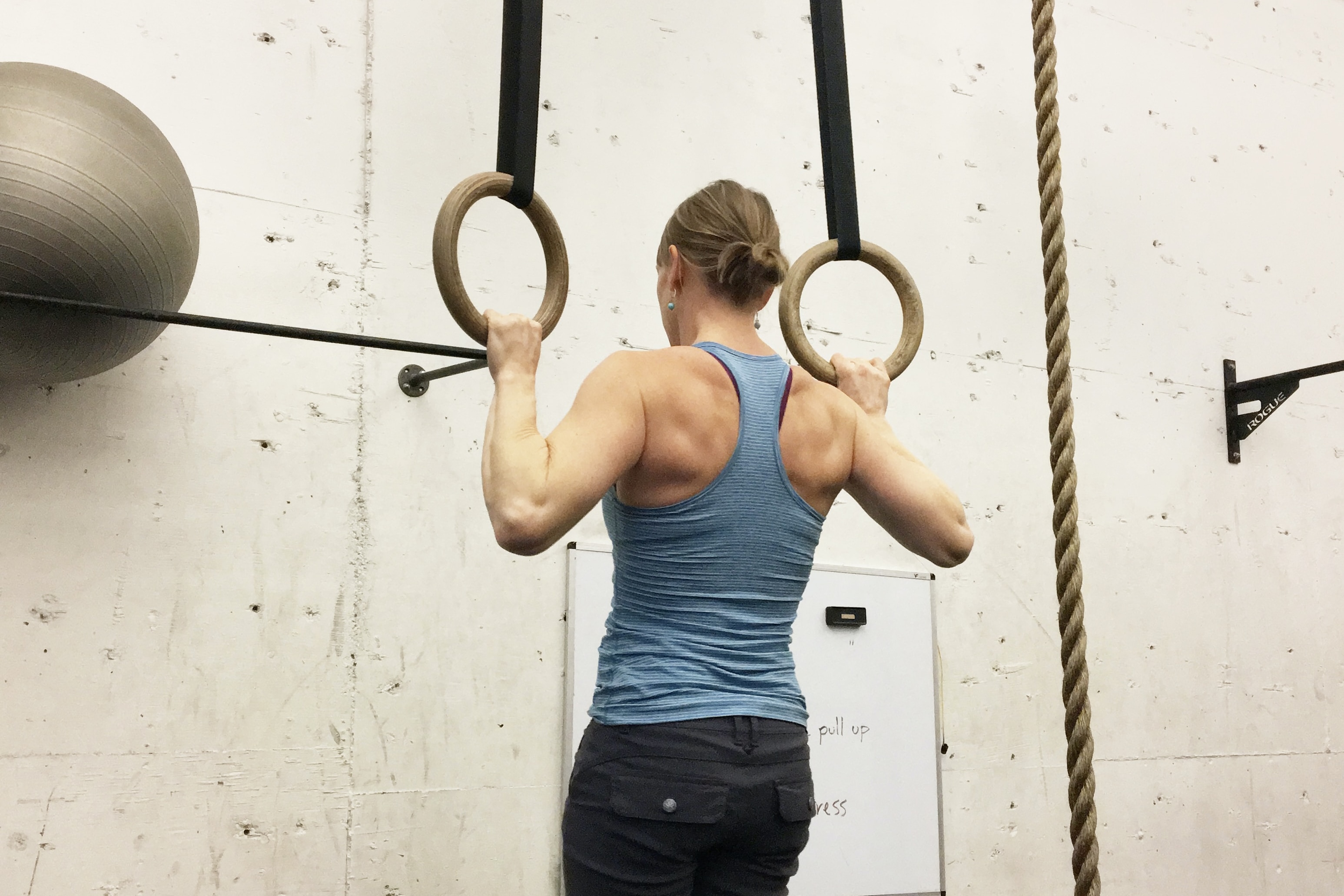
While the rhomboid is not the biggest muscle in the body it plays a huge role in how the body stabilizes when using your arms. The tricky thing is that people with pain don’t use it very well.
So why is that? It’s not for lack of trying. Most of the time it is inhibition, or the body not using it because of poor or mixed signals.
Let’s start with poor signals. Typically this is from lack of use. Whether you just learned to shortcut from bad advice or because of an injury your aren’t using it anymore. Regardless of how you lost it, the brain stops maintaining those connections and now it’s less active and weak.
One of the reasons injury can change the signal is through additional input into the proprioceptive system. What that means is that the injury will cause changes to the connective tissue or fascial system. Tightness in the area you had an injury is a protective mechanism and proprioception is based on the stretch of the tissues.
As an example, if you are in a car accident and the seat belt pulls across your chest you now have tightness along that seat belt. That tightness causes the pec muscles to tighten. Then your shoulder is pulled forward and reciprocal inhibition causes you rhomboid to turn off and now your losing function.
So next time you see problems with the rhomboids check the anterior shoulder region and you’ll find a plethora of dysfunctions that will change how the rhomboid fires. Don’t forget the subclavius, subscapularis, serratus anterior, along with everything in between.
Now that the rhomboid can fire without issue, the scapula can stabilize which will facilitate core stabilization and you’ll see massive strength gains. These gains are likely to stay if you’ve addressed the driving issue.
If you’re interested in incorporating this information into your practice check out our courses or contact us to find out more.or p