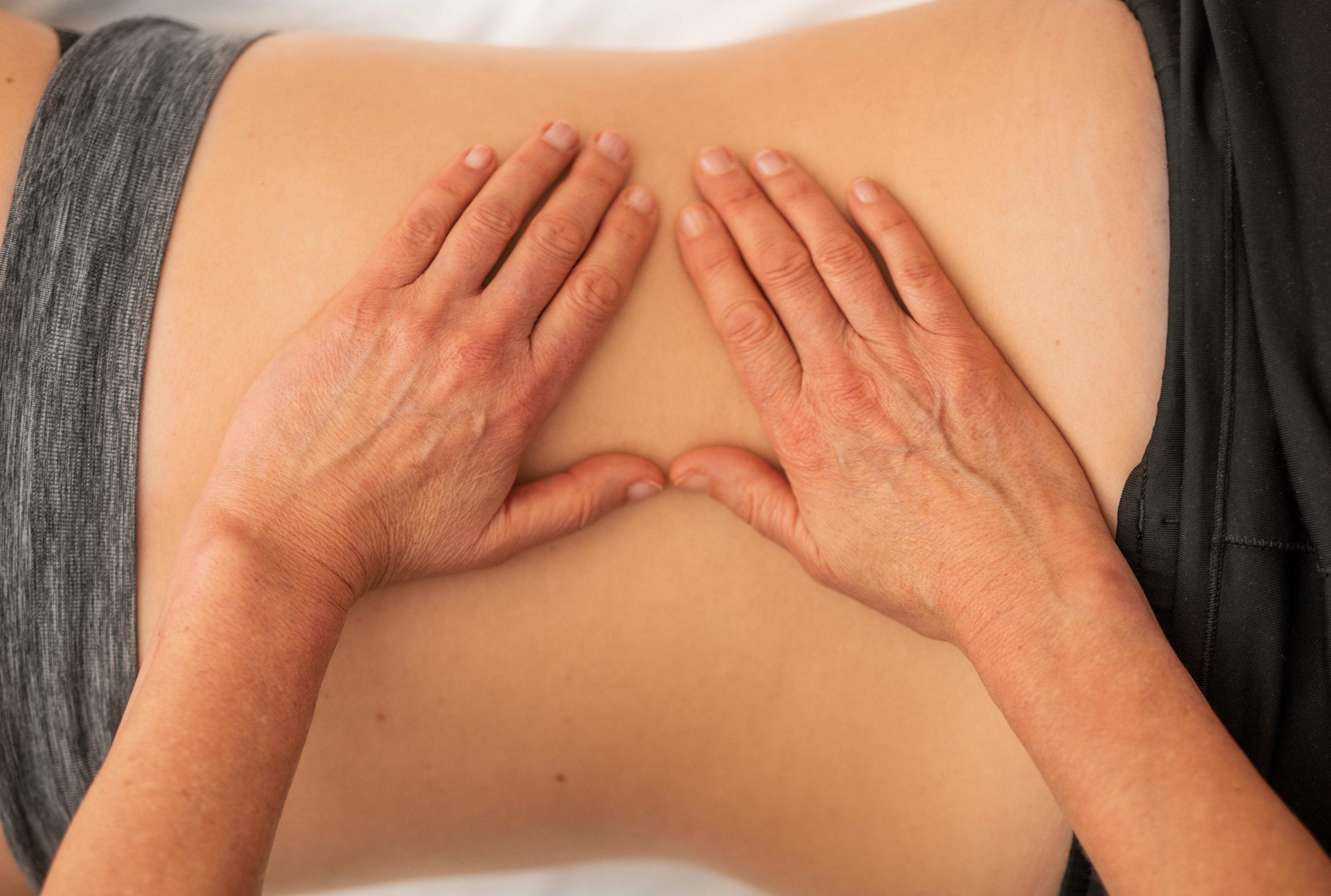
What You May Not Have Known About The Psoas

The psoas is one of the most common muscles treated by massage therapists. Most of your clients become very familiar with that discomfort when you find those “sweet spots”.

So what makes the muscle so great? We’ll other than the connection to posture there are some interesting factors that really make it special

First let’s talk about the attachments. The muscle attaches from the lesser trochanter of the femur and goes up to L2-L5. However, if you look past the bones, it also connects into the lumbar discs. That means it can increase strain to those regions if their injured.

Going further in attachment, there are fascial connections that go all the way up to T5. That means it’s not just a low back muscle. If that wasn’t interesting enough, did you know that the longus colli has fascial attachments to T5. Essentially the longus colli and psoas are continuous. That has huge implications when looking at proprioception. That is one reason why both muscles are critical structures when looking at core stabilization.

But why stop at attachments. The second aspect I wanted to mention is function. Deep fibers of the psoas are stabilizer muscles. If they are dysfunctional they don’t stabilize and that has massive implications that I will address in a future post.

I’ll also add that if there is a problem with the lumbar spine or acute injury in the region the psoas clamps down to protect the spine. Ironically, a lot of the time it makes the issues worse because you no longer are able to use the correct musculature.

Also, these muscles work very closely with the erector spinae. In fact, if the psoas is active, so is the erector. These muscles will feed off each other and if one is tight the other with tighten to counter the contraction. This adds to the compression of the spine. That means it’s good to take care of both of these muscles.

So bottom line is that if you see a tight psoas you can expect some big changes for the body if it is addressed. Whether it’s structural changes or stabilization, your clients will thank you for finding these issues. But critically thinking about what is causing the issue can help you find other issues. Think about tight quads or thoracolumbar fascia which will impact lumbar posture and increase strain. This may cause the psoas to tighten back up and you’ll be able to prevent the problem from returning.

If you found this helpful, check out some of the other posts, or sign up for one of our courses. They will help you identify these type of issues and treat them directly and efficiently.
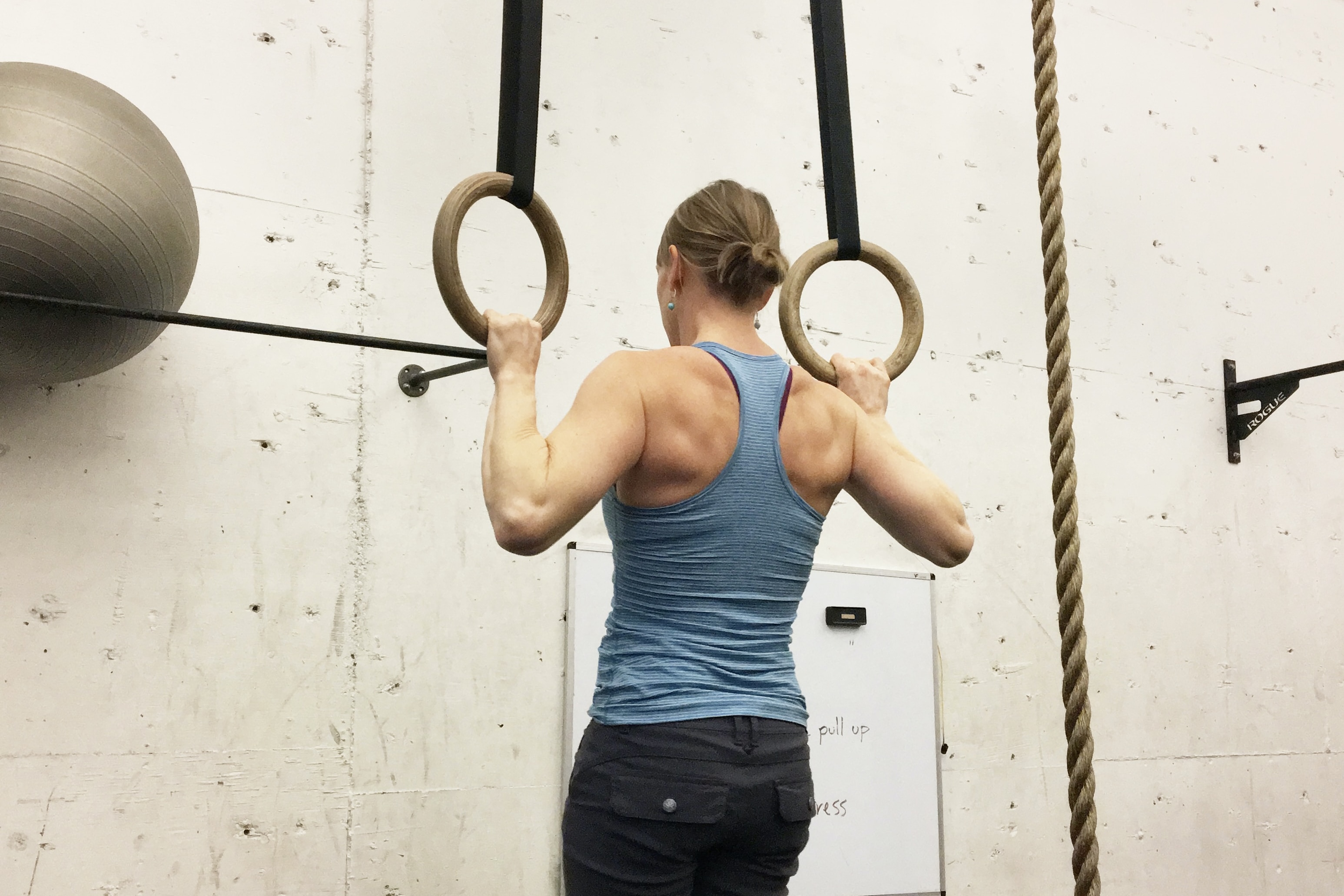
The Power of the Rhomboid

While the rhomboid is not the biggest muscle in the body it plays a huge role in how the body stabilizes when using your arms. The tricky thing is that people with pain don’t use it very well.

So why is that? It’s not for lack of trying. Most of the time it is inhibition, or the body not using it because of poor or mixed signals.

Let’s start with poor signals. Typically this is from lack of use. Whether you just learned to shortcut from bad advice or because of an injury your aren’t using it anymore. Regardless of how you lost it, the brain stops maintaining those connections and now it’s less active and weak.

One of the reasons injury can change the signal is through additional input into the proprioceptive system. What that means is that the injury will cause changes to the connective tissue or fascial system. Tightness in the area you had an injury is a protective mechanism and proprioception is based on the stretch of the tissues.

As an example, if you are in a car accident and the seat belt pulls across your chest you now have tightness along that seat belt. That tightness causes the pec muscles to tighten. Then your shoulder is pulled forward and reciprocal inhibition causes you rhomboid to turn off and now your losing function.

So next time you see problems with the rhomboids check the anterior shoulder region and you’ll find a plethora of dysfunctions that will change how the rhomboid fires. Don’t forget the subclavius, subscapularis, serratus anterior, along with everything in between.

Now that the rhomboid can fire without issue, the scapula can stabilize which will facilitate core stabilization and you’ll see massive strength gains. These gains are likely to stay if you’ve addressed the driving issue.

If you’re interested in incorporating this information into your practice check out our courses or contact us to find out more.or p

How Movement and the Right Muscles Can Enhance Skiing

Skiing and snowboarding are some of the most popular winter activities in Sandpoint. If you’re a season pass holder then you know the magic of plowing through fresh powder, the majestic views, and the feeling of pure joy after you hit a personal milestone. That means you don’t want to miss any time on the slopes and you want to make the most out of every opportunity.

There can be a few issues that can cause you to lose out on either time or performance.

1. Lack of Stability

Lack of stability is going to be directly related to your muscles not working right. You are probably thinking that exercises to strengthen the legs is sufficient. You would be right if you only wanted 50% of your potential.

The problem is that you can’t strengthen what you aren’t using. By the time you reach 30, you have likely had some injuries in some way or another (for more information on how injuries hamper you after you heal check out this post). To get these muscles firing you need to tap into isometrics.

We recommend checking with your physical therapist before attempting this exercise to make sure it’s safe.

For example, if you push your knees into you hands while sitting and slowly build the resistance you can get your muscles to start working again. It works by encouraging your body to recruit dormant muscles to stabilize the spine. Many times the increase in strength is mind boggling.

2. Lack of Movement

In the same way you lose strength, you also lose movement. You feel like you can do the movement so you don’t realize what you’re doing. A trained Functional Manual Therapist can show you this issues, but if you want to start at home you may be able to find some issues.

I would recommend doing this in front of a mirror so you can see the issues better. Try these instructions:

  1. Get into your skiing/snowboarding position
  2. Lean your body like you’re moving down the slope
  3. If you move slowly you may find a region that is tight then go to step 6, if not go to step 4.
  4. Slowly move your hips in a circle, then repeat while squatting
  5. Look for something that doesn’t feel right or move right
  6. Pay attention to where you feel the tightness and that will give you a region you can stretch out

It can be hard to identify these things yourself which is why finding someone who can help you assess your movement and treat out the limitations can help you reach your potential.

So why are these 2 issues important? It’s because if you don’t have good stabilization or full movement then it’s very easy to get hurt and lose time on the snow, or you struggle to make that turn or maintain control.

If you’re interested in learning how to assess and get to optimal function, contact us. Our courses will help you improve your body awareness and skillset.