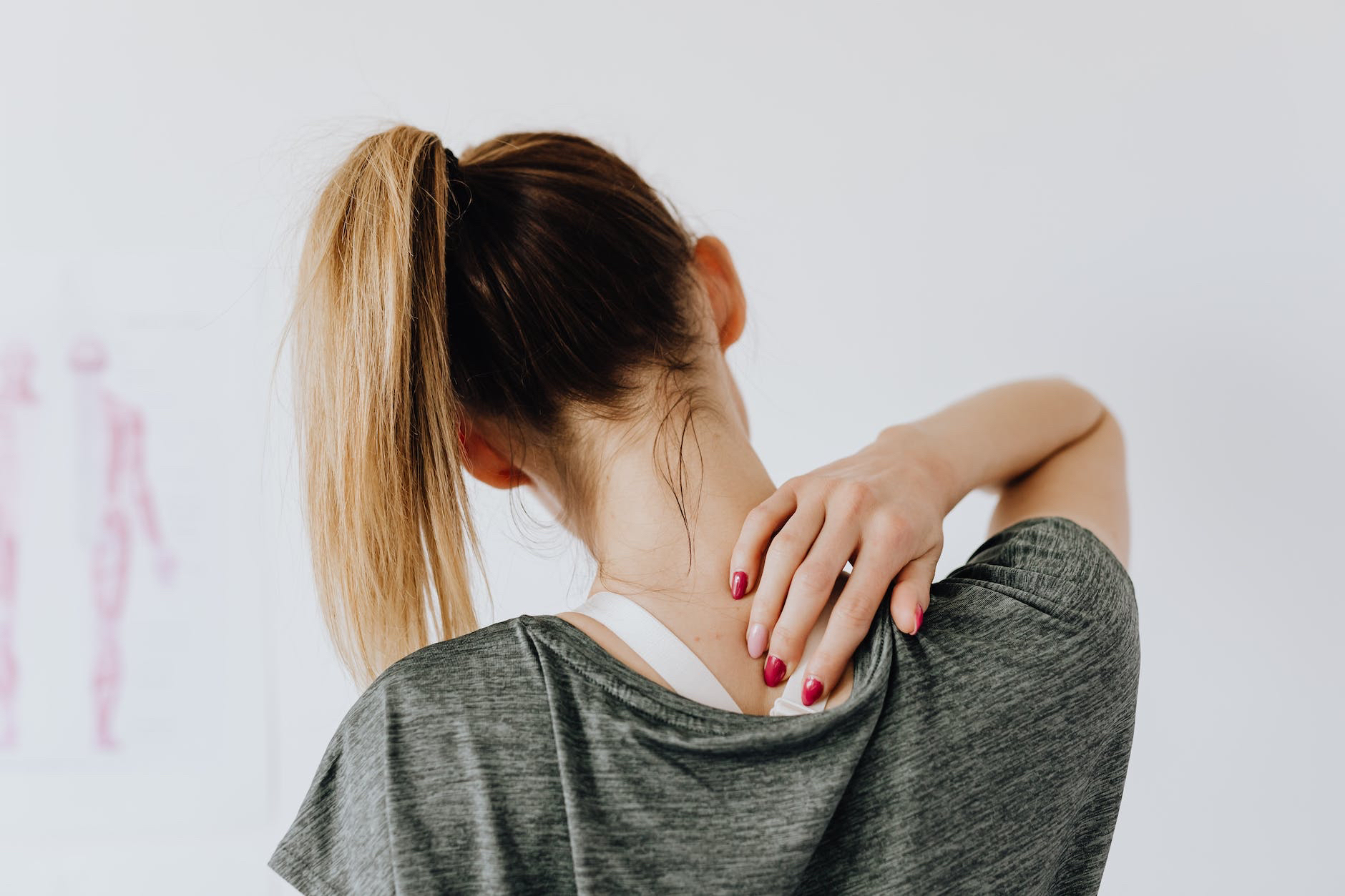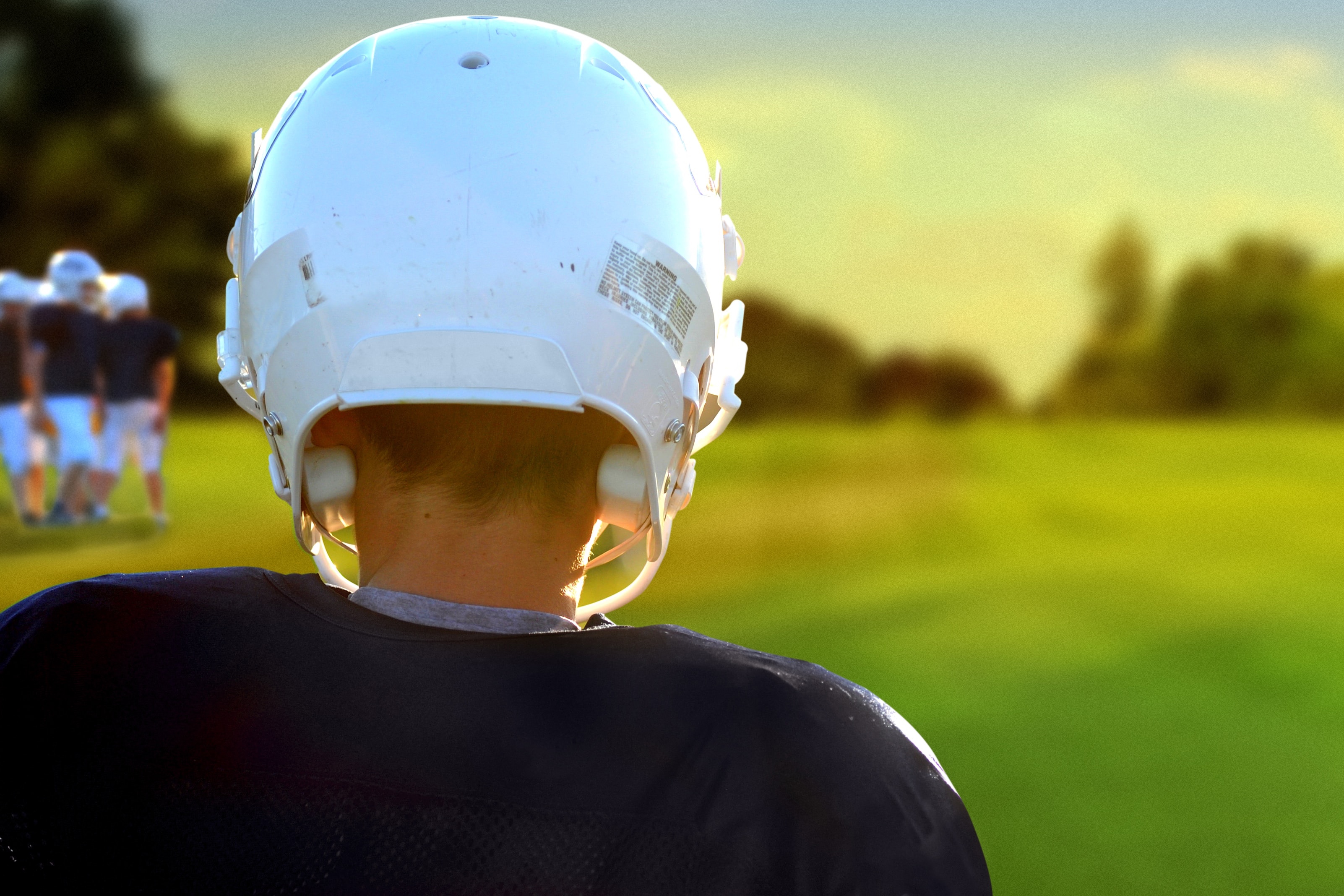
While some concussions may resolve with minor intervention, many symptoms can be decreased or improved more quickly with the proper intervention. Concussion injuries are some of the most difficult to treat because there are no guarantees or time frame for recovery. What is consistent are the improvement of symptoms and long term effects that good manual therapy including physical therapy can address or prevent.
If you’re dealing with a concussion right now you may be straining to just read this blog so I’ll try and make it quick.
The most important thing is to start the healing process as soon as possible. That happens by decreasing how much the brain needs to do. The following is a good place to start:
- Ensure you are getting good nutrients to give the brain what it needs
- Avoid activities that make you feel worse
- Wear sunglasses and a hat in bright light
- Decrease TV/screen time
- Switch to “night mode” on your phone if you have to use it
- Wear ear plugs for loud noises
- Get pain down
- Get SLEEP!
These are essential to keep you brain from overloading so it will heal faster. Finding a safe, quiet, dark room is great for managing symptoms. Sleep is also the most important thing when it comes to brain health, so don’t put it off!
Physical therapy should be your next stop to get a thorough examination and find factors that may delay your healing. Here are the areas physical therapy can get you feeling better:
- Consult to create a plan to speed up healing
- Get pain down
- Restore motion of the head and neck
- Decrease dizziness and improve balance
- Improve quality of sleep
- Decrease stress and anxiety
- Learn how to integrate movement sooner
No concussion is the same. This is why we suggest working with a physical therapist to customize a plan to get you back to activity. You can also get treatment to lower your pain, decrease your dizziness, or other just feel better overall.
We believe massage can be a valuable option as well. Massage can help to improve motion and decrease symptoms, both of which can help improve symptoms quicker.
Additionally, part of helping you heal is to help improve sleep by helping you get comfortable and addressing those movement limitations that prevent you from sleeping. One of those limitations that comes with concussions is the vagus nerve. If you don’t know what that is, think of it as the opposite to the fight or flight response. The vagus nerve is the key to calming the body down both to help you sleep and relax.
Concussions used to be treated with immediate rest and you were told to stay down until you were better. New science is now suggesting getting moving sooner than later. The best way to make sure you’re doing it the right way is to work with a physical therapist.
Contact us to learn more about how we look at concussions and how we believe massage can help.